


EduZ Tuition Blog
Exam Food
Exam Food
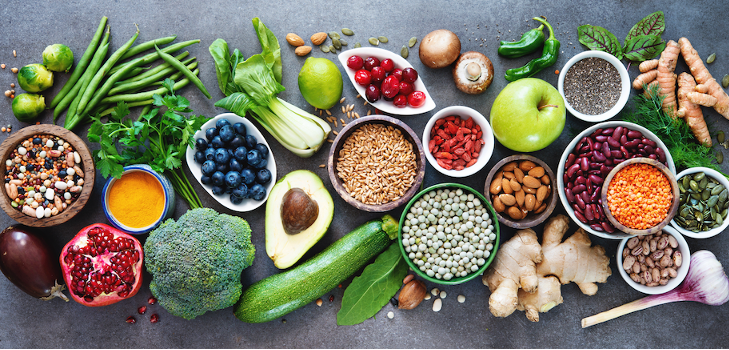
It's commonly said that junk food is bad for the brain, and while there's some truth to this statement - fats and sugars can negatively impact brain performance - it's important to recognize that there are also ways in which food can actually benefit our exam performance. By understanding how different types of food affect our brain and body, we can make better choices that optimize our cognitive abilities and improve our grades.
1. Improve Energy Levels

Here are some foods that can provide sustained energy throughout the day and help improve your concentration and focus during exams. While carbohydrates can provide quick energy, they can also lead to crashes and a feeling of lethargy. Consider incorporating these foods into your diet instead:
- Oatmeal - a great source of complex carbohydrates that are digested slowly, providing long-lasting energy.
- Eggs - a good source of protein, which helps keep you feeling full and alert.
- Chicken - a lean protein source that can also provide iron and B vitamins, important nutrients for brain function.
- Walnuts - a great source of omega-3 fatty acids, which can improve cognitive function and memory.
- Beans - a good source of fiber and protein, providing sustained energy without causing spikes in blood sugar levels.
2. Improve Attention and Focus
Consuming certain foods can have a positive impact on our brain function, improving our alertness and concentration. Foods rich in omega-3 fatty acids, specifically docosahexaenoic acid (DHA), as well as caffeine, have been found to be beneficial. However, it is important to be mindful of the amount of caffeine consumed, as excessive intake can disrupt our sleep patterns. Here are some examples of foods that can help enhance brain function:
- Oily fish, such as salmon and tuna
- Green tea
- Moderate amounts of coffee
- Dark chocolate, which contains caffeine and antioxidants.
3. Help you sleep
Getting enough sleep is crucial for good exam performance. If you're having trouble sleeping, there are certain foods that contain melatonin, a hormone that regulates sleep-wake cycles, which may help you fall asleep easier. Here are some examples:
- Almonds
- Chamomile tea
- Passion flower tea
- Kiwi fruit
- Sour cherry juice
Keep in mind that these foods should be consumed in moderation and should not replace good sleep habits like creating a relaxing sleep environment and maintaining a regular sleep schedule. It's also important to consult with a healthcare professional if you have chronic sleep issues.
4. Reduces Stress

During exam preparation, stress levels can be high, which can have negative effects on the body. However, choosing foods that are rich in antioxidants, vitamins, or have a relaxing effect can help the body unwind and reduce stress levels. Additionally, these foods make great snacks for study breaks.
Consider incorporating the following foods into your diet:
- Dark chocolate, which contains antioxidants and may have a positive effect on mood.
- Herbal teas, such as chamomile or lavender, which have a calming effect on the body.
- Nuts, which contain vitamin E and healthy fats that may reduce inflammation and stress levels.
- Citrus fruits and strawberries, which are high in vitamin C, a powerful antioxidant that may reduce stress hormone levels.
- Yoghurt, which contains probiotics that may improve gut health and reduce stress and anxiety.
In conlusion, adequate nutrition is essential for optimal academic performance during exam preparation. It is important to consume a well-balanced diet to provide the energy and nutrients required to fuel the brain and support cognitive function.
Have questions? Contact EduZ Tuition today.
Chat with us now